What Defines Farmhouse Style
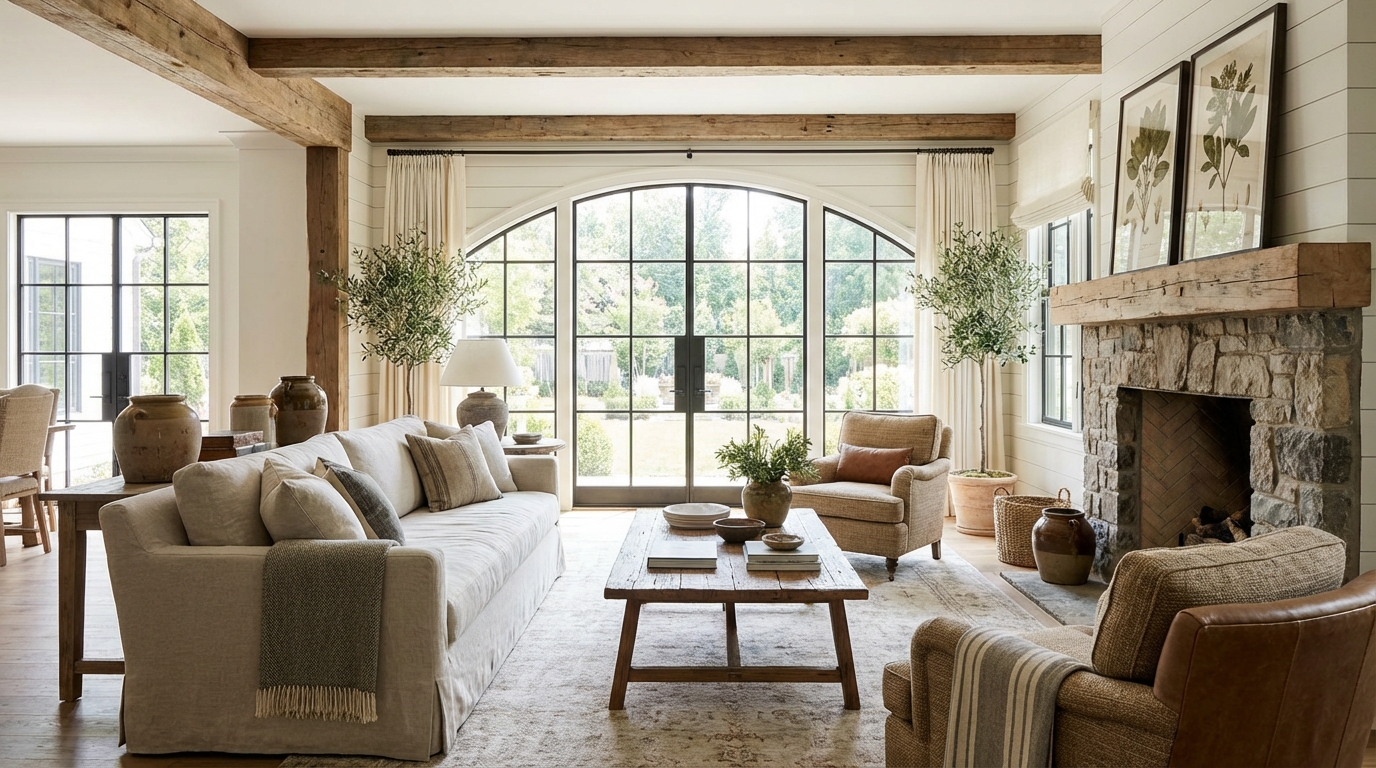
Farmhouse style emerged from the practical, functional homes of rural America, where form followed function and every piece served a purpose. Originally born out of necessity rather than aesthetic choice, farmhouse design reflected the lives of working families who valued durability, simplicity, and comfort above all else. The style draws heavily from 18th and 19th-century American farmhouses, where natural materials were abundant and ornamentation was minimal.
What makes farmhouse style so compelling today is its ability to create spaces that feel both lived-in and intentional. In our fast-paced, technology-driven world, farmhouse design offers a refreshing return to simplicity and authenticity. The style resonates with modern homeowners who crave warmth, connection, and a sense of history in their homes—a counterbalance to the sleek minimalism that dominated design trends for years.
The core philosophy behind farmhouse style centers on comfortable functionality. Unlike styles that prioritize appearance over usability, farmhouse design insists that beautiful spaces should also be practical and welcoming. This means furniture you can actually sit on, surfaces that can withstand daily use, and materials that age gracefully rather than showing wear.
Several key characteristics distinguish authentic farmhouse style from similar aesthetics like rustic or cottage design. First, farmhouse style emphasizes clean lines and simplicity rather than excessive ornamentation. While rustic design might lean heavily into rough-hewn logs and cabin-like elements, farmhouse maintains a more refined, understated approach. Second, farmhouse style incorporates vintage and antique pieces not as showpieces but as functional elements of daily life. Finally, the color palette remains predominantly neutral, with whites, creams, and natural wood tones creating a cohesive, calming foundation.
What Defines Farmhouse Style
Essential Elements for Your Farmhouse Living Room
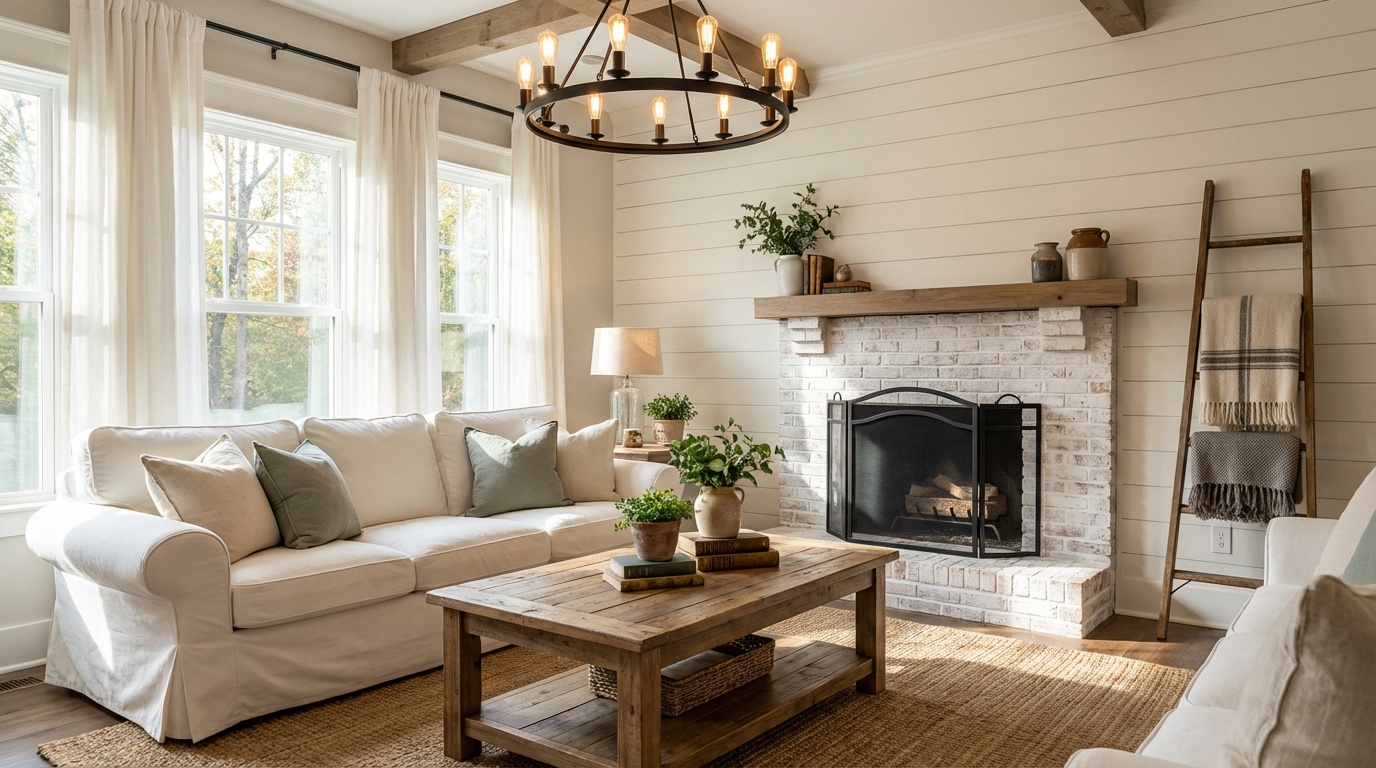
Creating an authentic farmhouse living room starts with selecting the right foundational pieces. The coffee table serves as the anchor of your seating area, and in farmhouse design, this typically means a substantial piece crafted from reclaimed wood or distressed pine. Look for tables with visible wood grain, natural imperfections, and sturdy construction—bonus points if it features a lower shelf for displaying baskets or vintage books.
Your sofa should prioritize comfort without sacrificing style. Deep-seated sofas upholstered in durable fabrics like linen, cotton canvas, or performance fabrics in neutral tones work beautifully. Avoid overly sleek, modern silhouettes; instead, opt for pieces with rolled arms, skirted bases, or exposed wooden feet. Slipcovered sofas are quintessentially farmhouse, offering both the relaxed aesthetic and practical washability that defines the style.
Seating should include a mix of pieces rather than perfectly matched sets. Consider adding a vintage wooden rocking chair, a pair of upholstered armchairs in complementary fabrics, or even a reclaimed church pew for additional seating. This collected-over-time approach adds character and visual interest while maintaining the farmhouse principle of functionality.
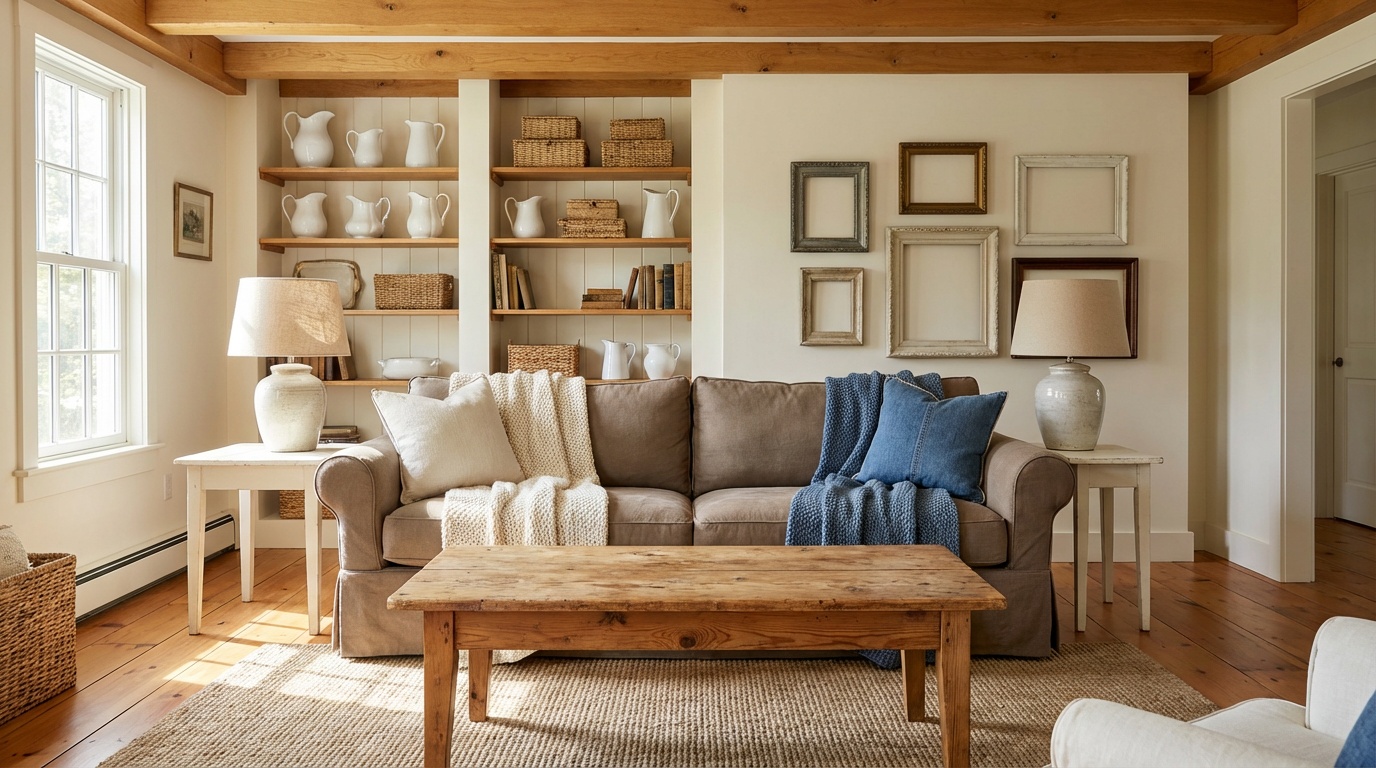
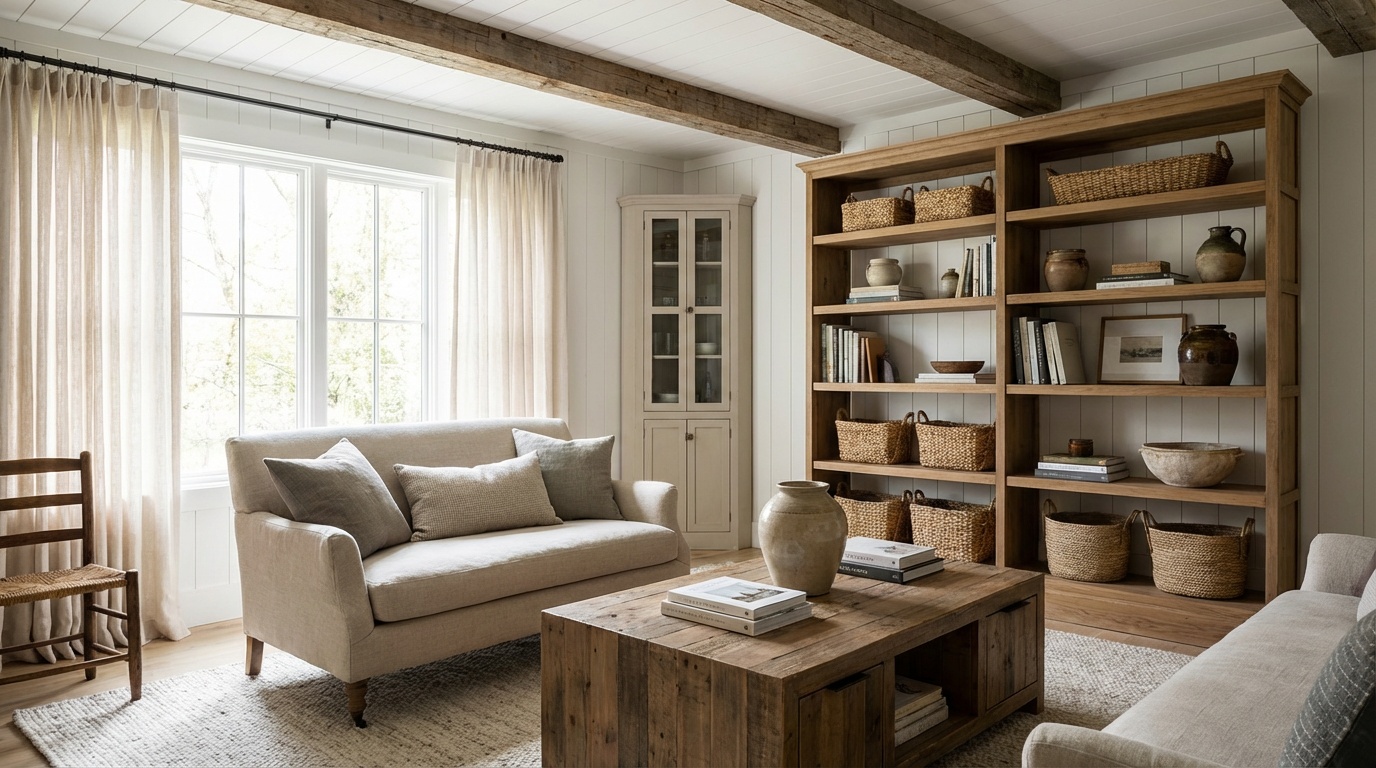
Open shelving or a large wooden bookcase provides both storage and display opportunities. Choose pieces made from solid wood—oak, pine, or maple—with simple construction and minimal embellishment. These shelves become the perfect backdrop for displaying ironstone pitchers, vintage books, woven baskets, and family photographs.
Materials play a crucial role in achieving authentic farmhouse style. Reclaimed wood brings instant character and history to your space, whether in flooring, ceiling beams, or furniture pieces. Wrought iron and black metal add industrial touches through light fixtures, curtain rods, and hardware. For textiles, prioritize natural fibers: linen for curtains, cotton for throw pillows, jute or sisal for rugs, and wool for cozy throws.
The living room particularly benefits from farmhouse style because it's inherently designed for gathering and comfort. Unlike formal living rooms that prioritize appearance, farmhouse living rooms invite you to kick off your shoes, curl up with a book, and truly relax. The style's emphasis on durable, family-friendly materials means your living room can be both beautiful and livable—a space that welcomes muddy paws, spilled coffee, and impromptu game nights without stress.
Essential Elements for Your Farmhouse Living Room
Color Palettes & Combinations
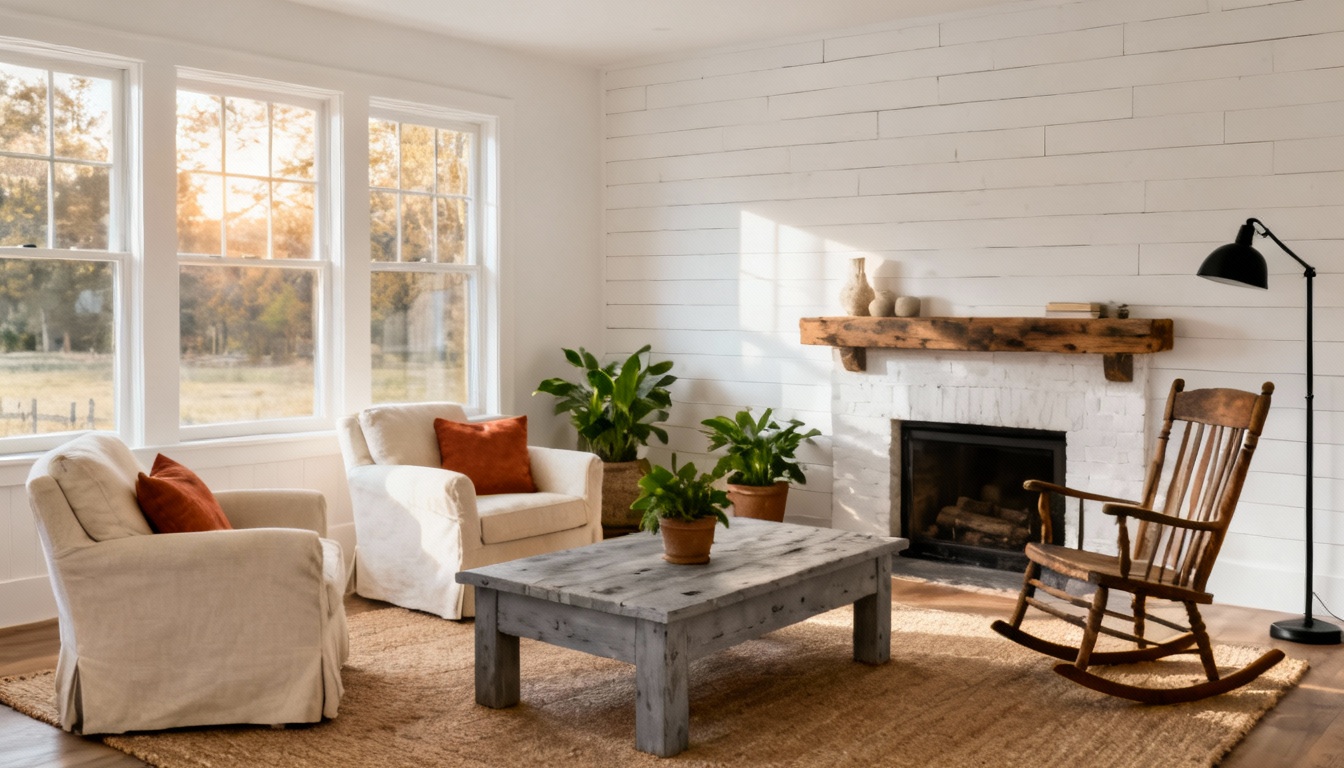
The foundation of any farmhouse living room is a neutral base palette that creates a sense of calm and spaciousness. Start with warm white or creamy ivory walls—think shades like Benjamin Moore's "White Dove" or Sherwin Williams' "Alabaster" rather than stark, cool whites. These soft whites provide the perfect backdrop while maintaining the warmth essential to farmhouse style.
For larger furniture pieces and flooring, embrace natural wood tones ranging from honey oak to weathered gray. Medium-toned woods like pine and oak bring warmth, while lighter, whitewashed, or gray-washed woods create an airier, more coastal farmhouse feel. The key is consistency—choose wood tones within the same temperature family (warm or cool) to maintain cohesion.
Your secondary neutral layer includes soft grays, warm taupes, and greige (that perfect gray-beige hybrid). These colors work beautifully for upholstered furniture, area rugs, and window treatments. Consider shades like "Revere Pewter" or "Accessible Beige" for pieces that need to bridge the gap between your white walls and darker accents.
Accent colors in farmhouse design draw from nature and remain relatively muted. Dusty sage green brings organic freshness without overwhelming the space. Soft denim blue adds subtle color while maintaining the relaxed aesthetic. Warm terracotta or muted rust introduces earthy warmth, particularly effective in throw pillows or pottery. Charcoal black serves as a grounding accent through metal fixtures, picture frames, or painted furniture pieces.
The distribution of color follows a simple formula: walls remain in the warm white family (60% of the space), larger furniture pieces and rugs use secondary neutrals (30%), and accent colors appear sparingly (10%) through pillows, throws, artwork, and decorative objects. This ratio ensures your space feels cohesive and calming rather than busy or chaotic.
Seasonal variations allow you to refresh your farmhouse living room without major changes. In fall and winter, layer in deeper accent colors like burgundy, forest green, or navy through throw blankets and pillows. Add texture with chunky knit throws and velvet cushions. In spring and summer, lighten the palette with fresh whites, soft blues, and botanical greens. Swap heavy textiles for lightweight linen and cotton.
Color Palettes & Combinations
Lighting & Ambiance
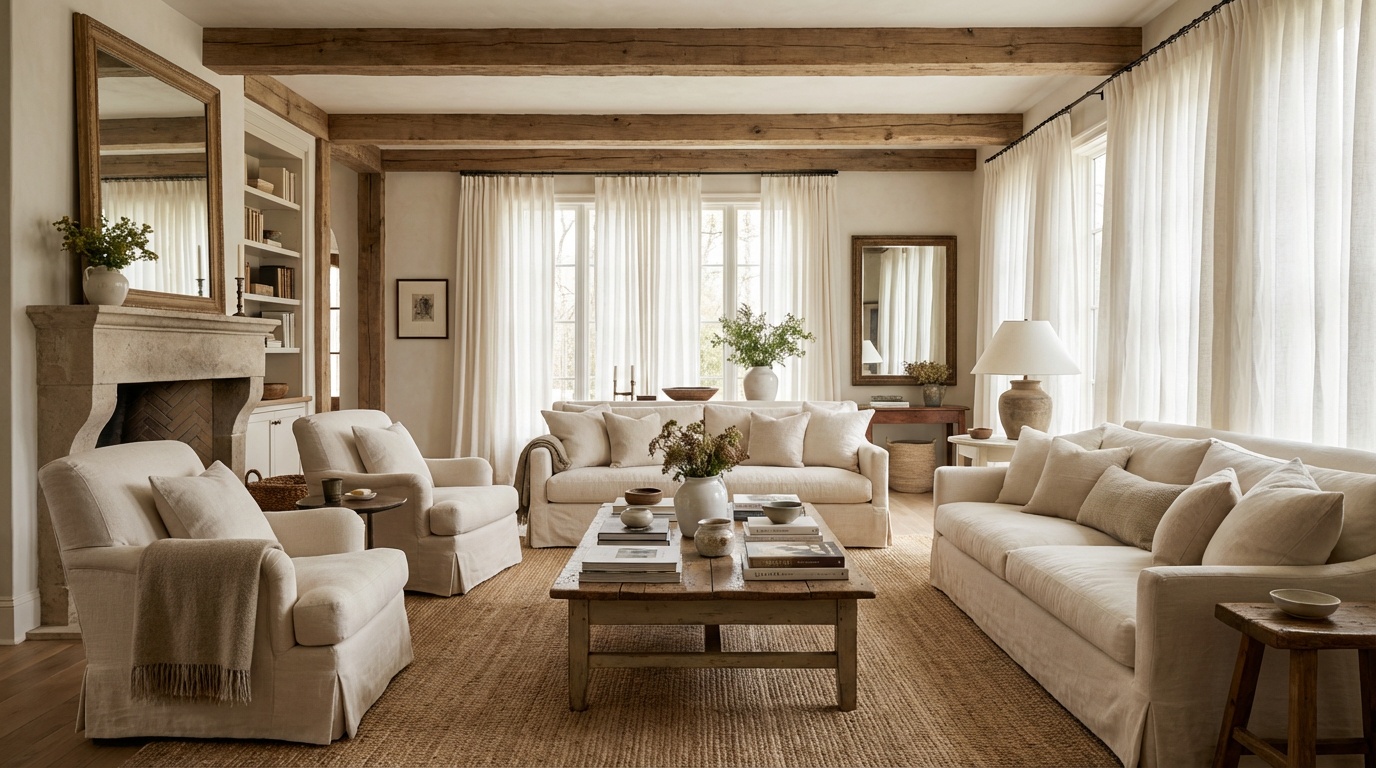
Natural light is the cornerstone of farmhouse living room ambiance. Maximize sunlight by keeping window treatments simple and functional. White or natural linen curtains hung on black iron rods allow light to filter through while providing privacy when needed. Avoid heavy, ornate draperies that block light and feel too formal for farmhouse style. If privacy isn't a concern, consider leaving windows completely bare or adding simple wooden shutters for architectural interest.
For artificial lighting, embrace the layered approach that combines ambient, task, and accent lighting. Your ambient lighting provides overall illumination and typically comes from overhead fixtures. In farmhouse living rooms, this might be a statement chandelier crafted from wood beads, wrought iron, or black metal with Edison bulbs. Alternatively, consider a large drum pendant with a linen shade or a wagon wheel chandelier for more rustic spaces.
Task lighting serves specific functions like reading or conversation. Table lamps with ceramic bases in white, cream, or natural clay tones topped with linen or burlap shades work beautifully on end tables. Consider lamps with turned wood bases or even repurposed vintage pieces like old milk jugs or pottery. Position these lamps at different heights to create visual interest and ensure adequate lighting for activities.
Accent lighting highlights architectural features or decorative elements. Sconces flanking a fireplace or artwork add both function and style—look for simple metal designs in black, bronze, or brushed nickel. Floor lamps with adjustable arms provide flexibility and can fill dark corners with warm light. Consider an arc floor lamp with a metal finish to illuminate seating areas without requiring side tables.
The type of bulb dramatically affects ambiance. Choose warm white bulbs (2700K-3000K) rather than cool white or daylight bulbs. The warm glow creates the cozy, inviting atmosphere central to farmhouse style. Dimmable fixtures offer flexibility, allowing you to adjust lighting levels for different activities and times of day.
Creating the signature farmhouse ambiance requires strategic lighting placement. Avoid relying solely on harsh overhead lighting; instead, create pools of light throughout the room using multiple sources at varying heights. This approach mimics the way homes were lit before electricity—with lanterns, candles, and oil lamps creating intimate circles of light. Add candles in hurricane lanterns or vintage candlesticks for additional warmth and flickering light that enhances the rustic feel.
Lighting & Ambiance
Furniture & Decor Shopping Guide
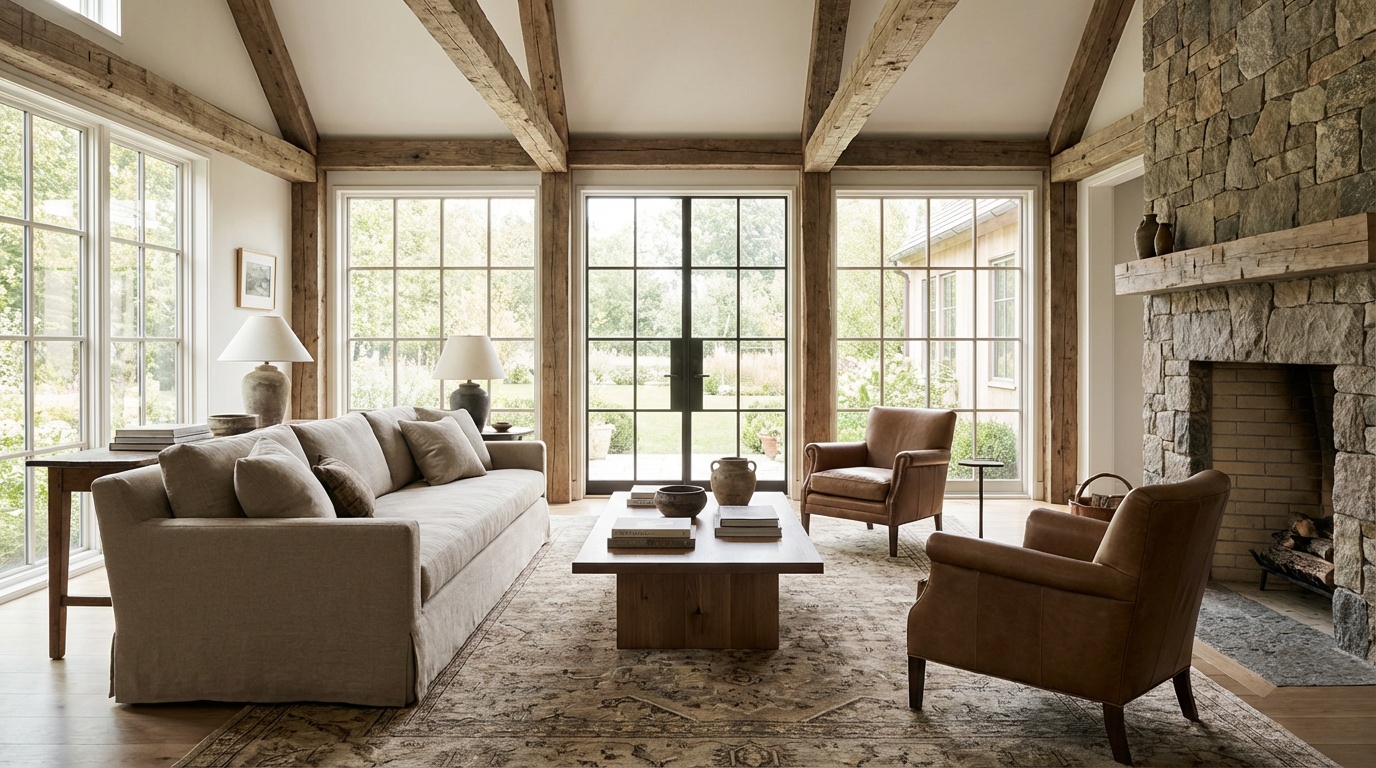
When building your farmhouse living room, certain pieces warrant investment for quality and longevity. Your sofa tops this list—plan to spend $1,500-$3,000 on a well-constructed piece with a hardwood frame, quality cushions, and durable upholstery. Brands like Pottery Barn, Crate & Barrel, and Article offer farmhouse-appropriate styles built to last. A quality area rug is another worthwhile investment; natural fiber rugs from companies like Jute & Co or vintage-style wool rugs from Rugs USA will anchor your space for years.
For budget-friendly alternatives, consider these smart swaps: Instead of expensive reclaimed wood furniture, shop IKEA's solid wood pieces and distress them yourself with sandpaper and stain. Target's Threshold line offers surprisingly good farmhouse-style decor at accessible prices. World Market provides excellent options for affordable baskets, throw pillows, and global-inspired textiles that complement farmhouse style.
Specific shopping destinations for farmhouse style include:
- Magnolia Home by Joanna Gaines (available at various retailers): authentic farmhouse pieces from the style's most famous proponent
- Wayfair: extensive selection with filters for "farmhouse" style across all price points
- Kirkland's: budget-friendly farmhouse decor and wall art
- HomeGoods/TJ Maxx: treasure hunt shopping for unique accent pieces
- Etsy: custom and vintage farmhouse items from independent sellers
- Facebook Marketplace and Craigslist: local vintage and antique finds
Vintage and secondhand shopping is where farmhouse style truly shines. Scour antique stores, estate sales, and flea markets for wooden ladders (perfect for displaying throws), vintage frames for gallery walls, ironstone pitchers and bowls, old wooden crates for storage, and antique mirrors with weathered frames. These authentic pieces add character impossible to replicate with new items. Don't worry about perfect condition—chips, cracks, and patina add to the farmhouse charm.
DIY projects make farmhouse style accessible on any budget:
- Whitewash or distress existing furniture using chalk paint and sandpaper
- Create a gallery wall with thrifted frames painted in cohesive colors
- Build floating shelves from reclaimed wood or lumber yard pine
- Sew simple pillow covers from drop cloth canvas or vintage grain sacks
- Make a coffee table from reclaimed pallets or old barn wood
- Transform mason jars into vases, candle holders, or storage containers
These projects not only save money but also add personal touches that make your space feel authentically yours rather than showroom-perfect.
Furniture & Decor Shopping Guide
Common Mistakes to Avoid
Mistake #1: Going too theme-park rustic. The biggest pitfall in farmhouse design is overdoing the rustic elements until your living room feels like a staged country store rather than a real home. Signs you've gone too far include excessive use of "Live, Laugh, Love" type signage, every surface covered in mason jars or galvanized metal, or so many vintage farm tools that your space looks like a museum. The fix: Edit ruthlessly. Choose one or two statement rustic pieces and keep the rest refined and simple. Remember that authentic farmhouses were homes first, not themed spaces.
Mistake #2: Neglecting comfort for aesthetics. Some people create beautiful farmhouse living rooms that no one actually wants to use because the furniture is too stiff, the seating is inadequate, or the layout doesn't facilitate conversation. The fix: Test furniture before buying—actually sit on that sofa, lean back in those chairs. Ensure your layout creates natural conversation areas and that pathways through the room are clear. Add plenty of soft textiles like throws and pillows that invite people to get cozy.
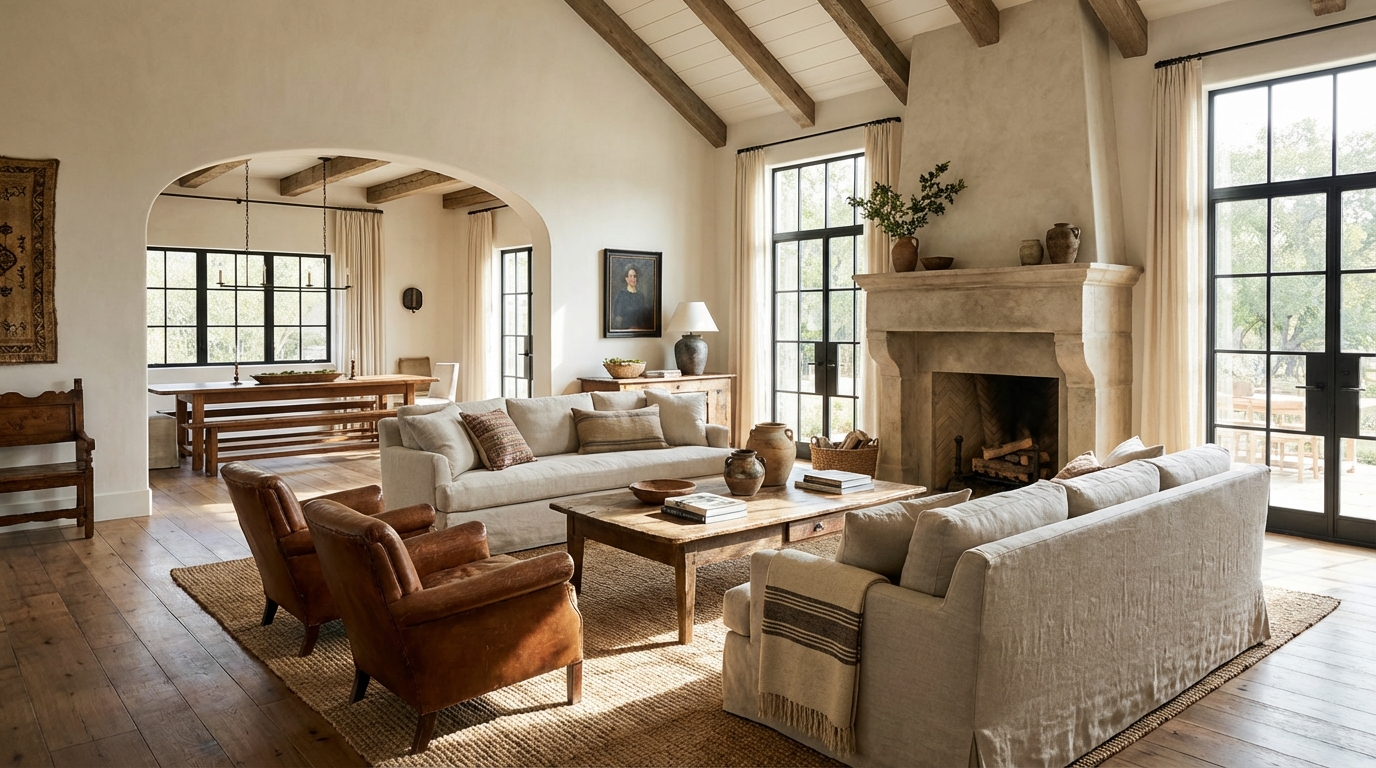
Mistake #3: Using all new, distressed furniture. Walking into a furniture store and buying an entire room of pre-distressed, "farmhouse-style" furniture often results in a space that feels manufactured rather than collected over time. Everything matches too perfectly and lacks the authentic patina of age. The fix: Mix genuinely old pieces with new ones. Combine that new slipcovered sofa with a truly vintage coffee table. Pair modern lighting with antique accessories. This high-low mix creates depth and authenticity.
Mistake #4: Ignoring scale and proportion. Farmhouse furniture tends toward substantial, chunky pieces, which can overwhelm smaller living rooms. Conversely, tiny accent pieces can get lost in large, open-concept spaces. The fix: Choose furniture appropriately scaled for your room. In small spaces, opt for streamlined farmhouse pieces—a simple wooden coffee table rather than a massive trunk, open shelving instead of heavy bookcases. In large rooms, don't be afraid of substantial pieces that fill the space appropriately.
Mistake #5: Forgetting about balance. A living room that's all neutrals can feel bland and boring, while too many accent colors and patterns creates chaos. Similarly, all soft textures feel one-dimensional, while all rough, weathered surfaces feel harsh. The fix: Apply the design principle of contrast. Balance smooth linen with rough wood, soft upholstery with hard metal, neutral backgrounds with pops of color. Create visual interest through varied textures, heights, and materials while maintaining overall cohesion.
Signs your space is missing the mark: If your living room feels cold despite farmhouse elements, you likely need more textiles and warmer lighting. If it feels cluttered, you've probably over-accessorized—farmhouse style requires breathing room. If it feels generic, you need more personal touches and authentic vintage pieces.
Common Mistakes to Avoid
Styling for Different Budgets & Spaces
Small space adaptations require strategic choices that maximize impact without overwhelming limited square footage. In compact living rooms, embrace vertical storage through tall, narrow bookcases rather than wide, low pieces. Choose a loveseat or apartment-sized sofa in light upholstery to keep the space feeling open. Mount your television rather than using a bulky media console, or select a slim console table that serves double duty. Use mirrors strategically to reflect light and create the illusion of more space—a large mirror in a weathered wooden frame above the sofa works beautifully.
For small spaces, limit your color palette to primarily whites and light woods with minimal darker accents. This creates visual continuity that makes the room feel larger. Choose multi-functional furniture like storage ottomans that serve as both seating and hidden storage. Keep window treatments minimal to maximize natural light.
Rental-friendly approaches allow you to achieve farmhouse style without permanent changes. Focus on furniture and decor rather than architectural modifications. Use removable wallpaper in shiplap or beadboard patterns if you want textured walls without installation. Add peel-and-stick tile to refresh dated fireplace surrounds. Layer area rugs over existing flooring to hide carpet or tile you can't change. Invest in freestanding pieces like bookcases, cabinets, and shelving units rather than built-ins. Use command hooks for hanging lightweight decor and artwork without damaging walls.
Budget tier: Under $500 transformation
- Paint existing furniture pieces white or distressed gray ($50 in paint and supplies)
- Add a jute area rug from Amazon or Walmart ($100-150)
- Purchase 4-6 throw pillows in farmhouse fabrics from Target ($80-100)
- Thrift or DIY a coffee table ($50-100)
- Add simple white curtains on black rods ($60-80)
- Accessorize with vintage finds and DIY projects ($60-70)
Budget tier: $500-$2,000 transformation
- Invest in a quality area rug ($300-500)
- Purchase a slipcovered accent chair ($400-600)
- Add new lighting: table lamps and possibly a new overhead fixture ($200-300)
- Buy a reclaimed wood coffee table ($300-400)
- Refresh walls with paint ($100)
- Add multiple throw pillows, throws, and window treatments ($200-300)
- Accessorize with a mix of new and vintage decor ($200-300)
Budget tier: $2,000+ complete transformation
- Invest in a high-quality sofa ($1,500-2,500)
- Add coordinating seating pieces ($500-1,000)
- Purchase statement coffee table and side tables ($500-800)
- Invest in quality area rug ($400-800)
- Update all lighting fixtures ($400-600)
- Add custom window treatments ($300-500)
- Complete the look with extensive accessories and artwork ($500-800)
Phasing your transformation over time makes the process manageable both financially and practically. Start with the foundation: paint walls, address flooring with rugs if needed, and ensure adequate lighting. These changes create the backdrop for everything else. Next, invest in your major furniture pieces—sofa first, then seating and tables. Finally, layer in textiles and accessories over time as you find pieces you love. This approach also allows you to live in the space and understand how you actually use it before committing to every detail.
Styling for Different Budgets & Spaces
Bringing Your Vision to Life
The gap between inspiration and reality often feels overwhelming. You've scrolled through countless Pinterest boards, saved dozens of Instagram posts, and bookmarked beautiful farmhouse living rooms—but translating those images into your actual space feels daunting. This is where visualization becomes invaluable before you spend a single dollar on furniture or paint.
RoomStudioAI bridges this gap by allowing you to see your living room transformed into farmhouse style instantly. Rather than guessing whether that white slipcovered sofa will work with your existing brick fireplace, or wondering if shiplap walls will make your space feel too rustic, you can upload a photo of your current living room and experiment with different farmhouse interpretations risk-free.
The AI-powered tool understands the nuances of farmhouse design—the balance between rustic and refined, the importance of texture and layering, the subtle color variations that make the style work. Within seconds, you'll see your space reimagined with appropriate furniture, complementary colors, and authentic farmhouse elements that respect your room's architecture and natural light.
This visualization process helps you make confident decisions about which elements to prioritize. Maybe you'll discover that your living room needs more substantial wood tones than you initially thought, or that a lighter, more coastal farmhouse approach suits your space better than a heavy rustic interpretation. You can experiment with different layouts, color schemes, and furniture arrangements without the commitment or expense of actually purchasing items.
Beyond individual design decisions, seeing your vision realized helps you communicate with partners, roommates, or family members about the direction you're heading. Rather than trying to describe your farmhouse vision in words, you can show them exactly what you mean, making collaborative decision-making much smoother.
The tool also helps you identify gaps in your plan. You might realize you've focused entirely on furniture but haven't considered lighting, or that your color scheme needs more variation. This comprehensive view ensures you're creating a cohesive, well-planned space rather than a collection of individual purchases that don't quite work together.
Ready to transform your living room? Try RoomStudioAI today. Upload a photo of your current space, select "farmhouse" style, and watch your vision come to life. Experiment with different variations, save your favorites, and use these visualizations as your roadmap for creating the farmhouse living room you've been dreaming about.
Your perfect farmhouse living room is closer than you think. With the right elements, thoughtful planning, and tools that help you visualize the end result, you can create a space that's not only beautiful but also authentically reflects your personal style and welcomes everyone who enters. Start your transformation today—your cozy, inviting farmhouse living room awaits.