What Defines Industrial Style
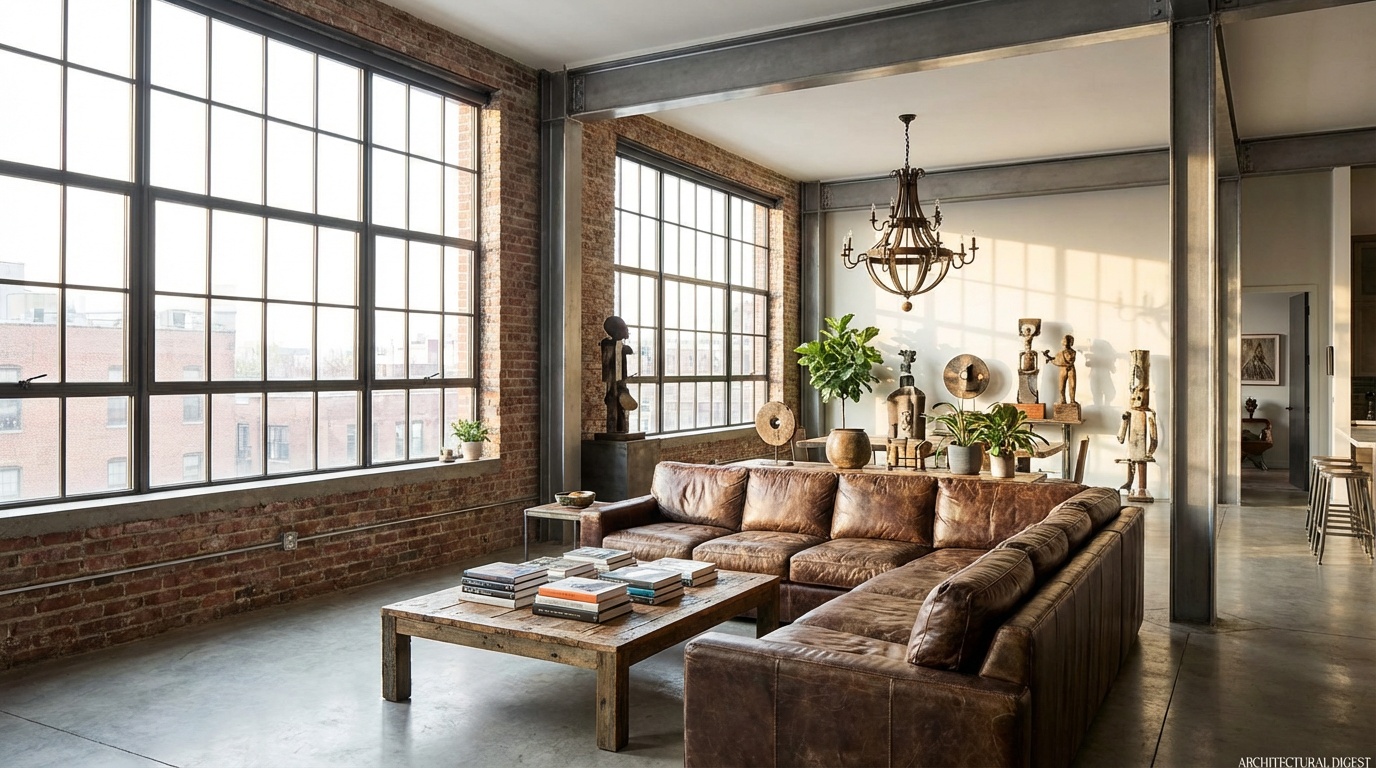
Industrial style emerged from the adaptive reuse movement of the 1950s and 1960s, when artists and creatives began converting abandoned factories, warehouses, and industrial buildings into living and working spaces. What started as a practical, budget-conscious solution in cities like New York and London has evolved into a deliberate design aesthetic that celebrates the beauty of raw, unfinished materials and architectural honesty.
At its core, industrial design philosophy embraces the principle of form following function. Unlike more ornate design styles that conceal structural elements, industrial interiors proudly display what's typically hidden—exposed brick walls, visible ductwork, concrete floors, steel beams, and unfinished wood. This transparency creates an authentic, unpretentious atmosphere that resonates deeply with modern homeowners seeking genuine, character-rich spaces.
The style resonates today for several compelling reasons. In our increasingly digital world, the tactile, tangible nature of industrial materials provides a grounding counterbalance to screen-dominated lives. The neutral color palette and minimalist approach align perfectly with contemporary desires for decluttered, intentional living spaces. Additionally, the industrial aesthetic's emphasis on quality, durable materials and timeless pieces offers sustainability-conscious homeowners an alternative to fast furniture trends.
What distinguishes industrial style from similar aesthetics like modern minimalism or rustic design is its unique combination of roughness and refinement. While minimalism prioritizes sleek surfaces and rustic design leans heavily into warmth, industrial style occupies a middle ground—pairing weathered textures with clean lines, combining metal's coldness with wood's warmth, and balancing utilitarian objects with carefully curated art. The result is a living room that feels both edgy and comfortable, sophisticated yet approachable.
What Defines Industrial Style
Essential Elements for Your Industrial Living Room
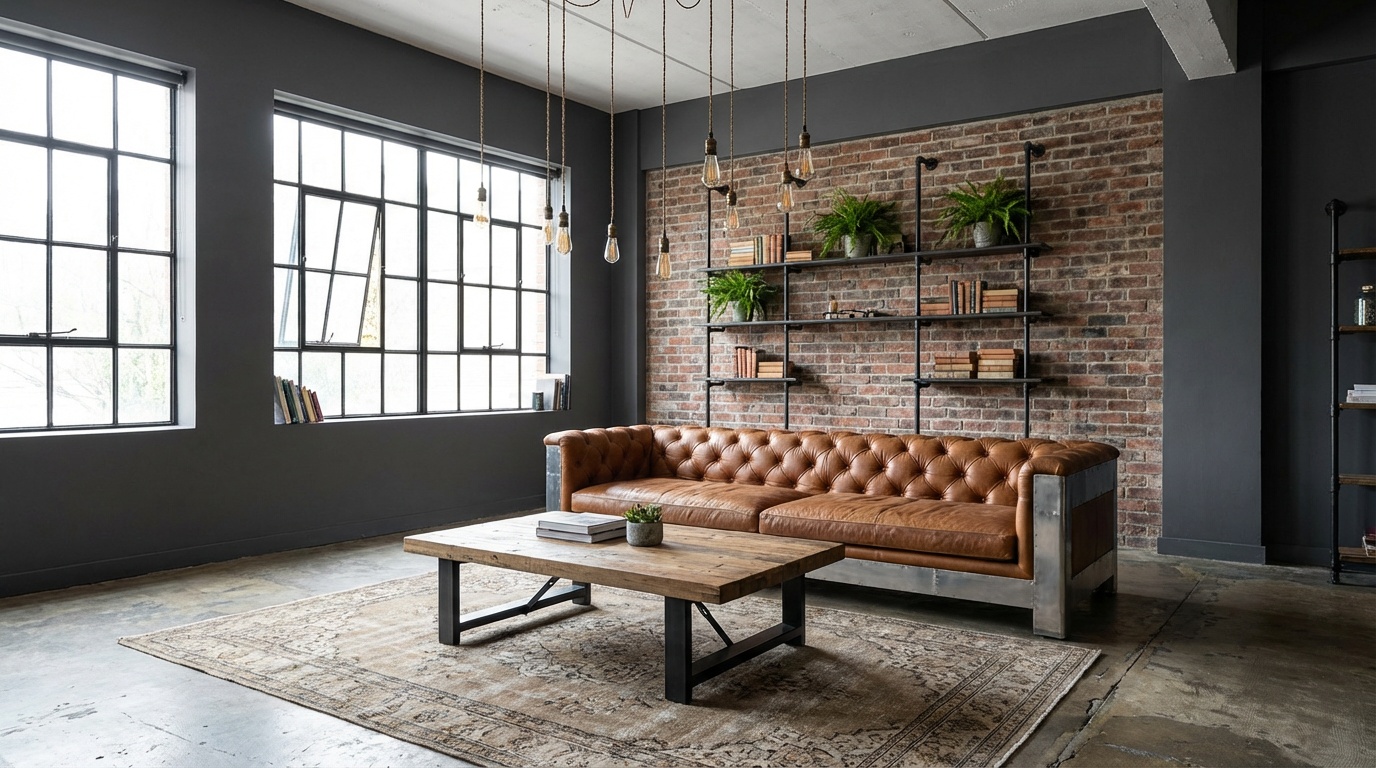
Creating an authentic industrial living room requires specific furniture pieces and materials that capture the style's utilitarian origins while providing modern comfort. The foundation of any industrial living room starts with a substantial leather sofa in cognac, charcoal, or black. Look for pieces with exposed metal frames, visible stitching, or distressed leather that shows character. A three-seater Chesterfield or a streamlined leather sectional with low arms works beautifully in this context.
Complement your seating with metal-framed accent chairs—think vintage factory stools, wire mesh chairs reminiscent of industrial workspaces, or reclaimed wood chairs with steel legs. These pieces should look like they could have been pulled from a 1940s workshop, emphasizing function over frills.
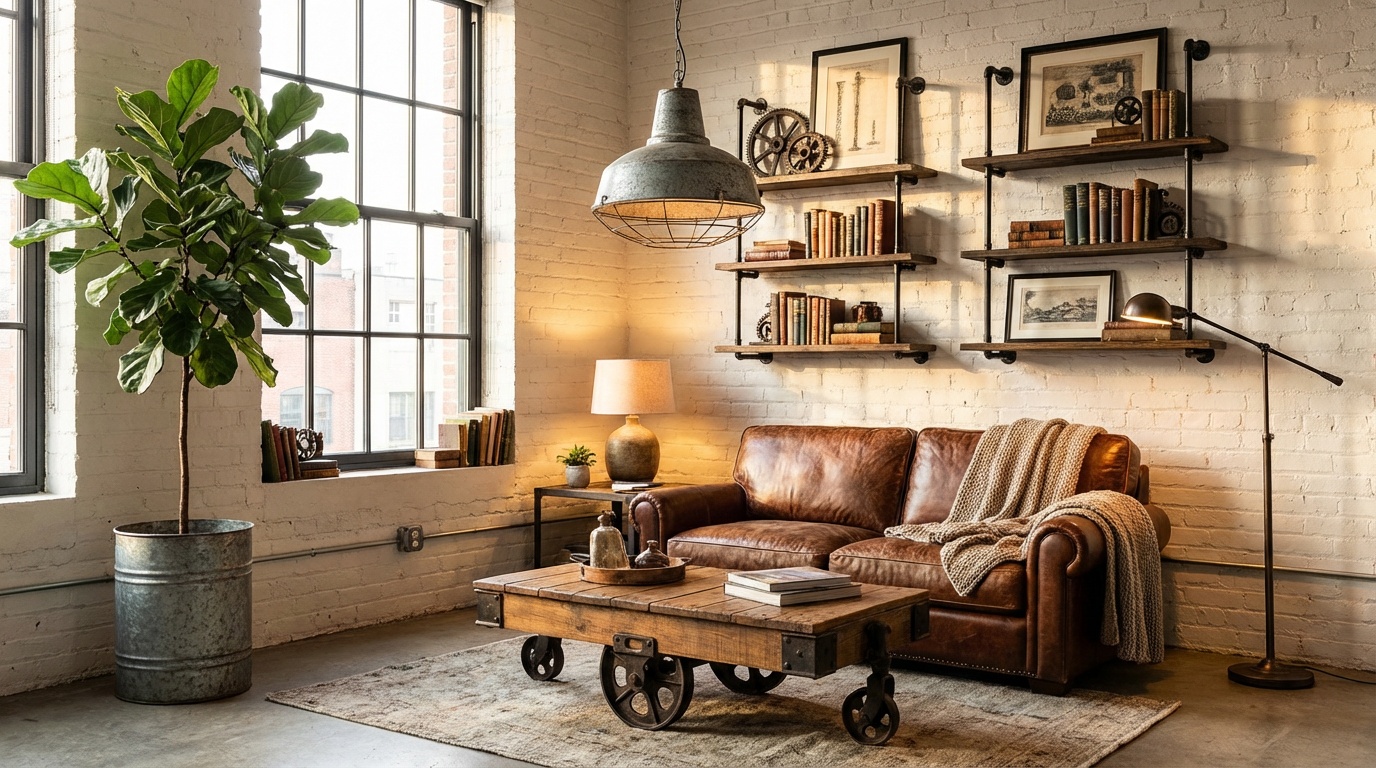
Your coffee table serves as a focal point and should make a statement. Industrial living rooms shine with coffee tables constructed from reclaimed wood planks atop a steel frame, vintage factory carts with wheels, or concrete surfaces with metal accents. The key is visible construction—you should see how the piece is assembled, with exposed bolts, rivets, or welding marks adding to the aesthetic rather than detracting from it.
Shelving and storage in industrial spaces should be open and structural. Floor-to-ceiling metal pipe shelving with reclaimed wood planks, vintage metal lockers repurposed as media storage, or industrial steel bookcases with a powder-coated finish all work exceptionally well. Avoid closed cabinetry that hides contents; industrial style celebrates display and accessibility.
Material selection is crucial. Reclaimed wood with visible grain, knots, and weathering provides warmth and history. Look for pieces made from salvaged factory floors, barn wood, or old shipping pallets. Metals should include raw steel, black iron, galvanized metal, brushed nickel, and aged brass—preferably with a matte or slightly weathered finish rather than polished chrome. Concrete appears in coffee tables, side tables, or even as a flooring material, adding industrial authenticity.
For textiles, choose utilitarian fabrics like canvas, leather, worn denim, wool, and linen in neutral tones. Avoid anything too precious or delicate; industrial living rooms favor materials that age gracefully and develop patina over time. A vintage wool blanket draped over your sofa or canvas cushion covers with exposed zippers perfectly complement the aesthetic.
The living room specifically benefits from industrial style because it's typically the largest, most architectural space in a home. High ceilings, large windows, and open floor plans—common in living rooms—allow industrial elements to truly shine. The style's emphasis on conversation and gathering around substantial furniture pieces makes it ideal for the social function of living spaces.
Essential Elements for Your Industrial Living Room
Color Palettes & Combinations
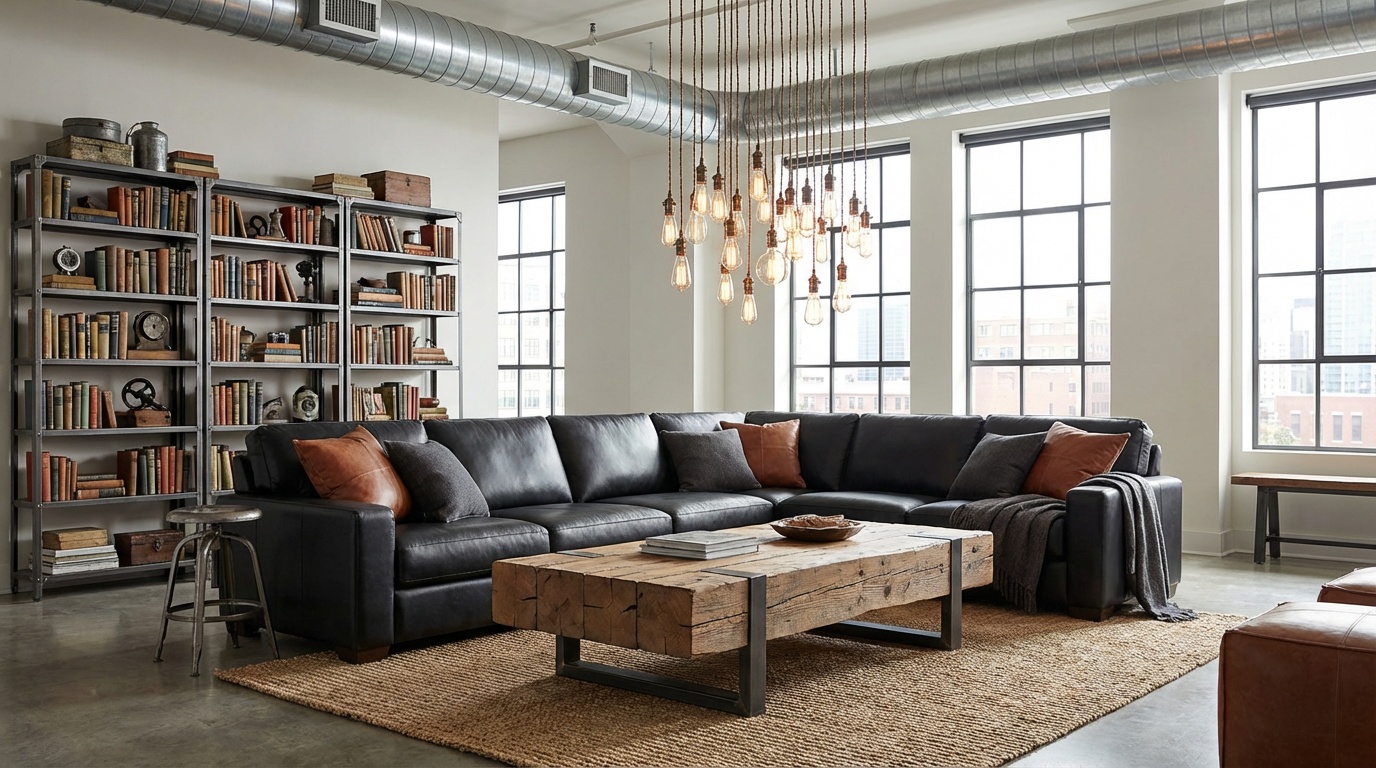
The industrial color palette draws directly from its warehouse and factory origins, creating a sophisticated neutral foundation with strategic pops of deeper tones. Your primary palette should center on charcoal gray, warm rust brown, weathered steel blue, and aged concrete gray. These aren't bright or saturated colors; they're the muted, earthy tones found in oxidized metal, old brick, and worn wood.
Charcoal gray serves as your dominant neutral, appearing on walls, large furniture pieces, and textile choices. This isn't a cool, blue-toned gray but rather a warm, slightly brownish charcoal that evokes cast iron and steel. Warm rust brown—think oxidized metal or terracotta brick—adds necessary warmth and prevents the space from feeling cold. This appears in leather furniture, exposed brick accents, and decorative elements.
Weathered steel blue, a muted blue-gray reminiscent of old factory equipment, works beautifully as an accent wall color or in larger textile pieces like area rugs. Aged concrete gray, lighter than charcoal, provides breathing room and appears in flooring, countertops, or lighter furniture pieces.
For accent colors, industrial style embraces deep, saturated tones rather than pastels. Deep amber (like Edison bulb filaments), forest green (vintage industrial machinery), brick red (exposed masonry), and matte black (cast iron fixtures) all complement the primary palette. Use these sparingly—a deep amber throw pillow, a forest green vintage trunk, or brick red artwork.
Balancing neutrals with color requires restraint. Follow the 70-20-10 rule: 70% of your living room should be neutral grays and browns, 20% should be your secondary neutral (like natural wood tones or concrete), and 10% should be accent colors. This prevents the space from feeling overwhelming while maintaining visual interest.
Wall colors should remain neutral—charcoal gray, warm greige, or even exposed brick if available. Furniture can introduce deeper browns through leather and wood, while decor and accessories provide opportunities for those strategic accent colors. A vintage metal sign, colorful industrial artwork, or a collection of amber glass bottles adds personality without compromising the aesthetic.
Industrial style doesn't typically shift seasonally, which is part of its appeal—it remains consistent and grounded year-round. However, you can introduce subtle seasonal variations through textiles: heavier wool throws and darker cushions in winter, lighter canvas and linen in summer, all within the established color palette.
Color Palettes & Combinations
Lighting & Ambiance
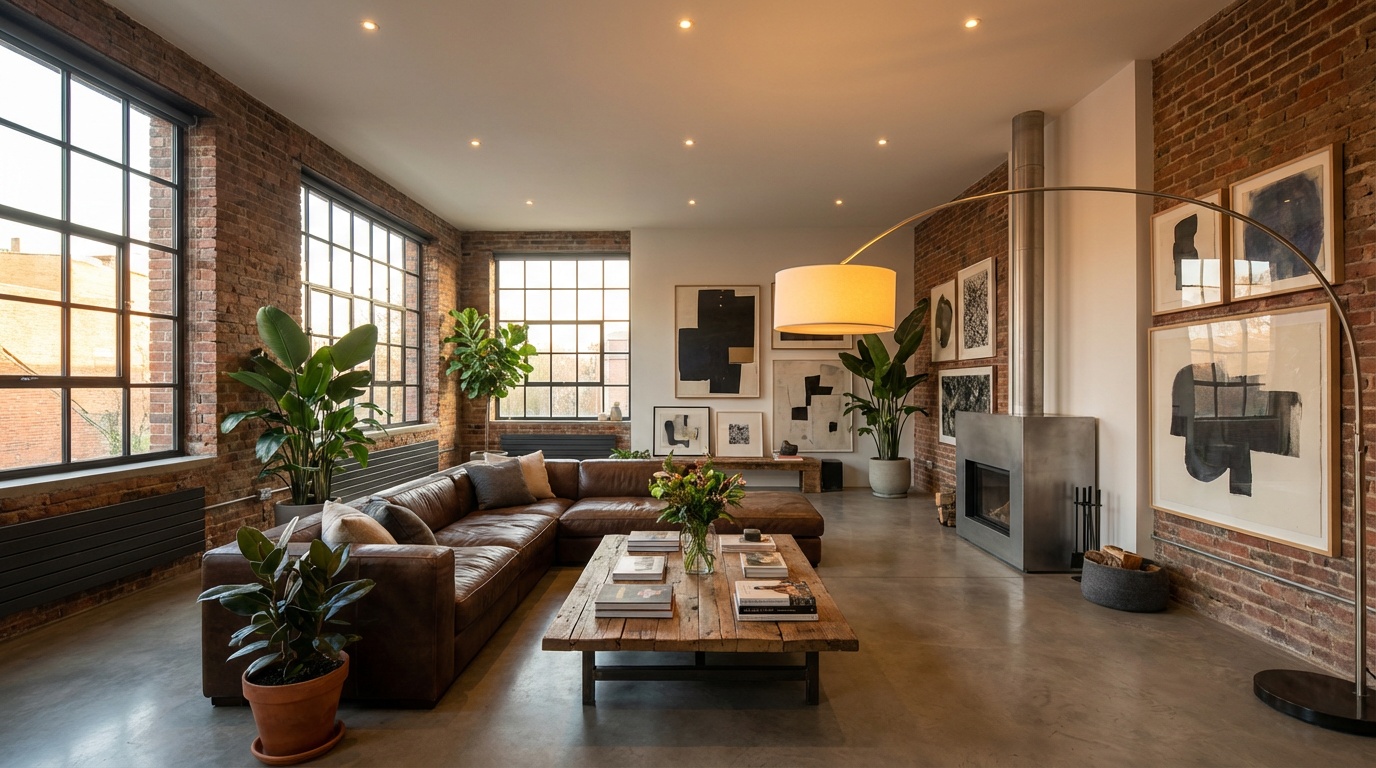
Lighting is perhaps the most critical element in achieving an authentic industrial living room, as it directly references the style's factory origins while creating the perfect balance between edgy and inviting. The goal is to layer multiple light sources that highlight architectural features and create warm pools of illumination throughout the space.
Natural lighting should be maximized and celebrated. Industrial spaces traditionally featured large windows to illuminate factory floors, and your living room should embrace this principle. Keep window treatments minimal—consider simple roller shades in canvas or linen, metal blinds, or even leaving windows completely bare if privacy allows. Avoid heavy drapes or ornate curtains that contradict the utilitarian aesthetic. If you need light filtering, opt for sheer linen panels on simple metal rods.
For ambient lighting, consider the room's overall illumination. Track lighting with adjustable metal heads works beautifully, allowing you to direct light where needed while maintaining an industrial feel. Exposed Edison bulbs on fabric-wrapped cords create instant industrial atmosphere—cluster three to five at varying heights in one corner for dramatic effect. Large metal pendant lights with cage designs or warehouse-style shades provide substantial ambient light while making architectural statements.
Task lighting serves specific functions while adding visual interest. Position an adjustable metal desk lamp on a side table for reading, or use a vintage factory floor lamp with a pivoting arm beside your sofa. These pieces should look like they were borrowed from a workshop or drafting studio, with visible joints, bolts, and mechanical elements. Pharmacy lamps, tripod floor lamps with metal shades, and articulating wall sconces all provide focused light while reinforcing the industrial aesthetic.
Accent lighting highlights architectural features and creates depth. Use metal track lights to illuminate exposed brick walls, creating dramatic shadows and texture. Install LED strips behind floating shelves to backlight displayed objects. Consider vintage marquee letters with exposed bulbs as both art and accent lighting.
The key to industrial lighting is embracing visible bulbs and fixtures. Unlike traditional design that conceals light sources within shades and fixtures, industrial style celebrates the mechanics of illumination. Edison bulbs with visible filaments, cage pendants that showcase the bulb, and exposed socket fixtures all work perfectly. Choose warm-toned bulbs (2700K-3000K) to counterbalance the cool metals and create inviting ambiance.
Fixture materials should include matte black metal, aged brass, galvanized steel, copper, and raw iron. Avoid polished chrome or contemporary glass fixtures. Look for pieces with industrial heritage—vintage factory lights, repurposed workshop lamps, or modern reproductions of classic industrial designs.
Creating the right mood and atmosphere requires thoughtful placement. Avoid relying on a single overhead fixture; instead, create multiple lighting zones. Place a dramatic pendant cluster over your coffee table, position task lighting near seating areas, and add accent lights to highlight architectural features. This layered approach allows you to adjust lighting for different activities and times of day, transforming your living room from bright and energetic to moody and intimate.
Lighting & Ambiance
Furniture & Decor Shopping Guide
Building an industrial living room requires strategic shopping that balances investment pieces with budget-friendly finds. Understanding where to allocate your budget and where to save ensures you create an authentic space without overspending.
Investment pieces worth splurging on include your primary seating and statement lighting. A quality leather sofa will last decades and develop beautiful patina, making it worth the $1,500-$3,000 investment. Look for full-grain leather, solid hardwood frames, and quality construction. Similarly, invest in one or two statement light fixtures ($300-$800 each) that truly capture the industrial aesthetic—these become focal points and conversation starters.
Your coffee table deserves investment consideration ($400-$1,200) as it anchors the room and receives heavy use. A well-constructed piece with quality materials will withstand daily life while maintaining its character. Consider this a long-term investment that could transition through multiple homes and design evolutions.
For lighting, skip expensive designer reproductions and explore hardware store DIY options. Create pendant lights using galvanized metal buckets, black iron pipe, and Edison bulbs for under $50 per fixture. Many online tutorials show how to create industrial-style lighting using affordable materials from Home Depot or Lowe's.
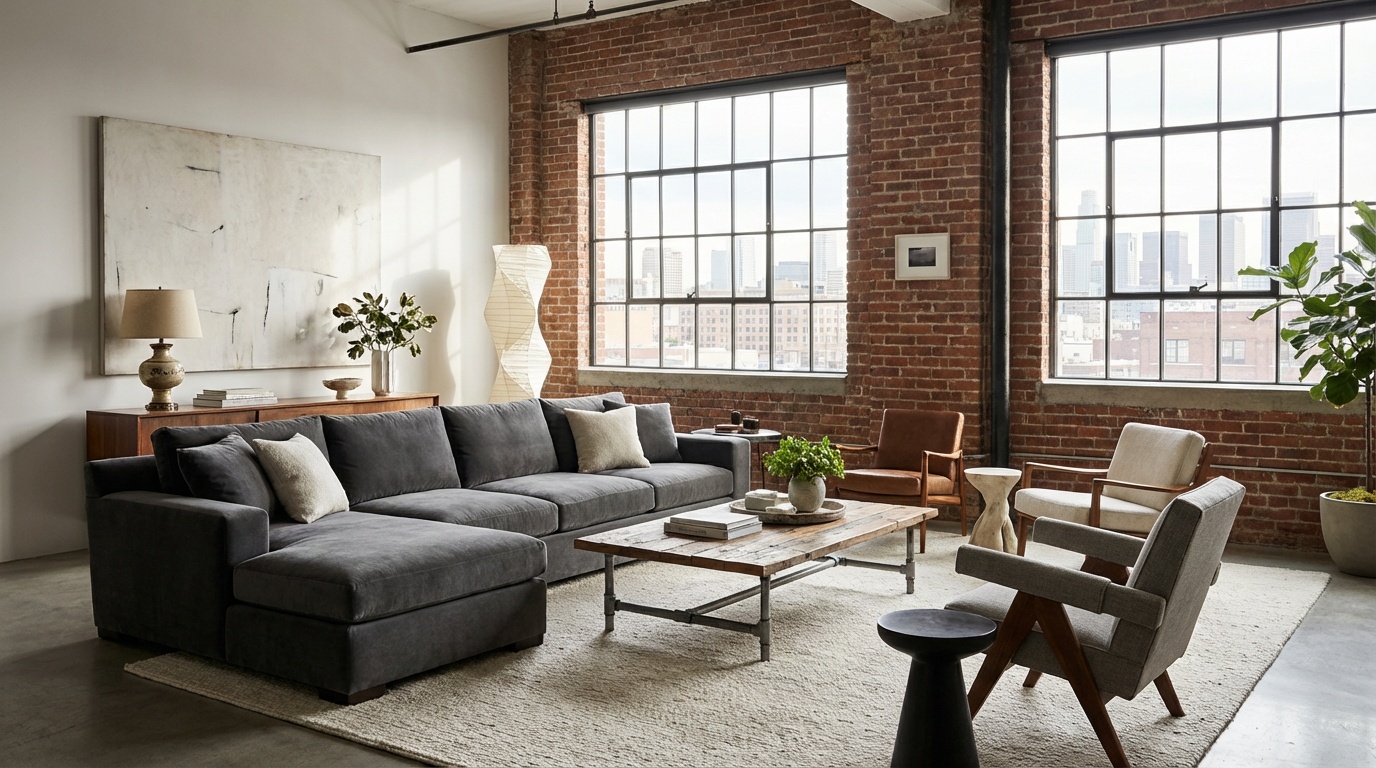
Where to shop depends on your budget and timeline. For investment pieces, consider Room & Board, Restoration Hardware's RH Modern line, and Article for quality industrial furniture with modern construction. West Elm and CB2 occupy the mid-range market with good quality at moderate prices ($500-$2,000 per piece).
For budget-conscious shopping, explore Wayfair's industrial category, Overstock, and Amazon's Rivet brand. These retailers offer industrial-style pieces at entry-level prices, though quality varies—read reviews carefully and understand you may sacrifice longevity for affordability.
Vintage and secondhand finds often provide the most authentic industrial pieces at reasonable prices. Scour Craigslist, Facebook Marketplace, and estate sales for vintage factory furniture, old workshop stools, metal lockers, and industrial shelving. Architectural salvage yards offer reclaimed materials, vintage lighting, and unique pieces you won't find in retail stores. Flea markets and antique malls frequently have industrial items at negotiable prices.
Look for authentic pieces like vintage metal file cabinets ($50-$150), old factory stools ($30-$80), reclaimed wood planks for DIY projects ($2-$5 per linear foot), and vintage industrial lighting ($75-$300). These genuine items often cost less than modern reproductions while providing superior authenticity.
DIY projects can dramatically reduce costs while adding personal touches. Build pipe shelving using black iron pipes and reclaimed wood planks for $100-$200 instead of $500+ for retail versions. Create a coffee table using a vintage factory pallet and hairpin legs ($80 in materials). Transform an old wooden ladder into a blanket display or bookshelf. Sand and seal a concrete countertop remnant as a side table top. These projects require basic tools and skills but deliver significant savings.
Furniture & Decor Shopping Guide
Common Mistakes to Avoid
Even with the best intentions, several common pitfalls can derail your industrial living room design. Understanding these mistakes helps you create a space that feels authentic rather than contrived.
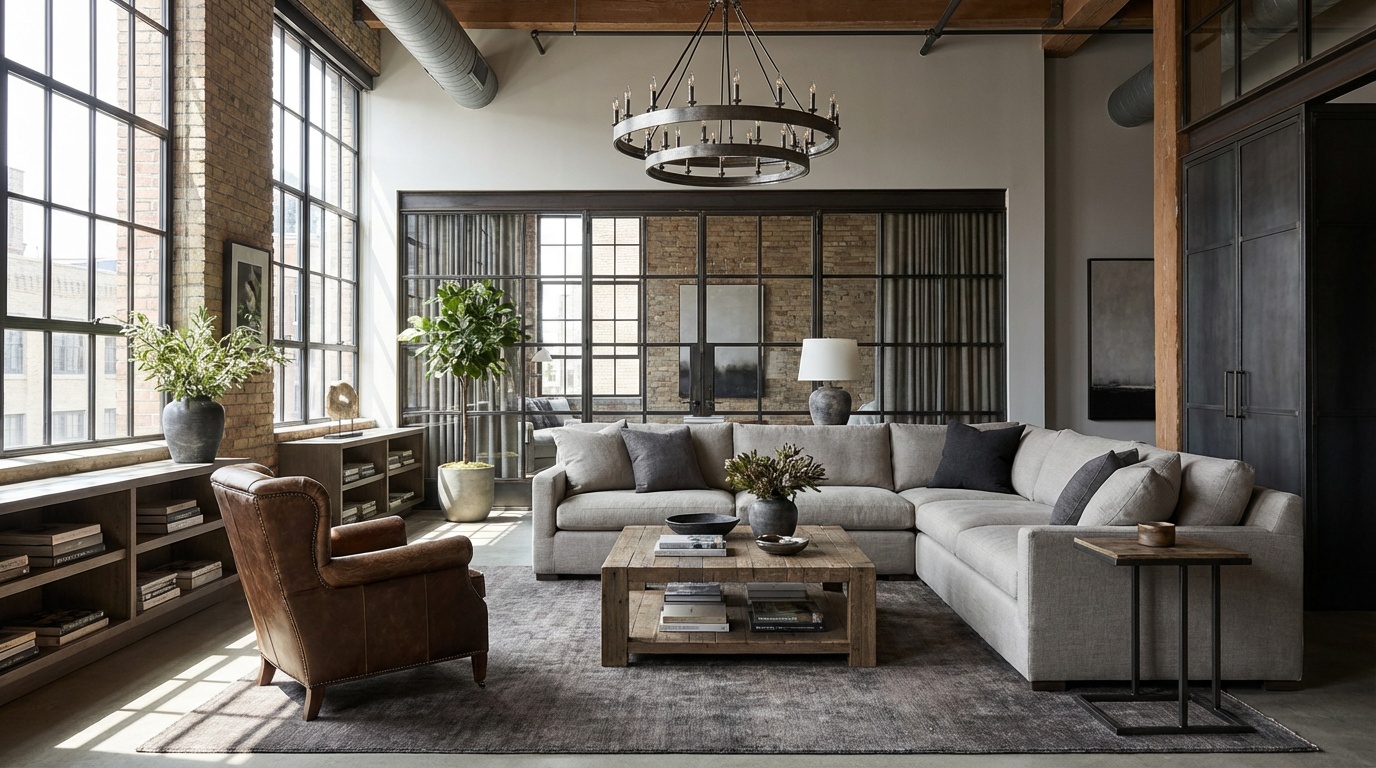
Mistake #1: Making the space too cold and unwelcoming. Many people interpret industrial style as purely hard, cold, and masculine, filling their living room exclusively with metal and concrete. This creates a space that feels more like an actual warehouse than a comfortable home. The fix: Balance hard materials with warm elements. Add a plush area rug in natural fibers, incorporate plenty of warm wood tones, layer in soft textiles like wool throws and linen cushions, and ensure adequate warm lighting. Your living room should feel like a refined interpretation of industrial style, not a literal factory recreation.
Mistake #2: Overdoing the distressed and weathered look. While patina and age are central to industrial aesthetics, going overboard makes your space look cluttered and unkempt rather than intentionally designed. Too many rusted items, excessively distressed furniture, and overly weathered finishes create visual chaos. The fix: Practice restraint and balance. Pair one or two genuinely distressed vintage pieces with cleaner, more refined industrial elements. A weathered wood coffee table looks intentional when surrounded by cleaner metal shelving and a quality leather sofa. Mix old and new, rough and refined.
Mistake #3: Ignoring comfort and livability. Industrial style's emphasis on utilitarian furniture can lead people to choose form over function, selecting pieces that look great but feel terrible. Metal chairs without cushions, rock-hard leather sofas, and cold concrete floors create a living room you'll avoid using. The fix: Prioritize comfort within the aesthetic. Choose leather sofas with proper cushioning, add seat pads to metal chairs, layer area rugs over hard flooring, and incorporate plenty of soft textiles. Your living room should be your favorite gathering space, not a showroom you're afraid to use.
Mistake #4: Creating a monochromatic, lifeless space. Industrial color palettes are neutral-heavy, but interpreting this as "everything must be gray" results in a flat, uninspiring room. The fix: Embrace the full range of industrial neutrals—warm browns, blue-grays, rust tones, and blacks—rather than sticking to a single gray. Add those strategic accent colors through artwork, plants, and accessories. Living greenery is particularly important in industrial spaces, providing life and color that prevents the room from feeling sterile. A large fiddle leaf fig or several smaller potted plants in metal containers add essential vibrancy.
Mistake #5: Buying everything new from one retailer. Industrial style celebrates history, authenticity, and collected-over-time aesthetics. Purchasing a complete "industrial living room set" from a single store creates a showroom feel that lacks personality and soul. The fix: Build your space gradually, mixing vintage finds with new purchases, high-end investments with budget pieces, and items from various sources. This collected approach creates depth and authenticity. Your grandmother's old trunk, a vintage factory cart from a flea market, a new leather sofa, and DIY pipe shelving tell a richer story than matching furniture sets.
Signs your space is missing the mark include feeling cold and unwelcoming when you enter, lacking distinct personality or character, looking too matchy-matchy or coordinated, feeling uncomfortable for extended periods, or resembling a retail showroom more than a lived-in home.
The balance between over-styling and under-styling is crucial. Over-styling occurs when every surface is decorated, every corner filled, and every element perfectly placed—this contradicts industrial style's effortless, utilitarian nature. Under-styling leaves the space feeling unfinished and empty. Aim for intentional curation: each piece should have a purpose or story, negative space should be celebrated, and the room should feel collected rather than decorated.
Common Mistakes to Avoid
Styling for Different Budgets & Spaces
Industrial style adapts beautifully to various spatial constraints and budget limitations, making it accessible regardless of your living situation.
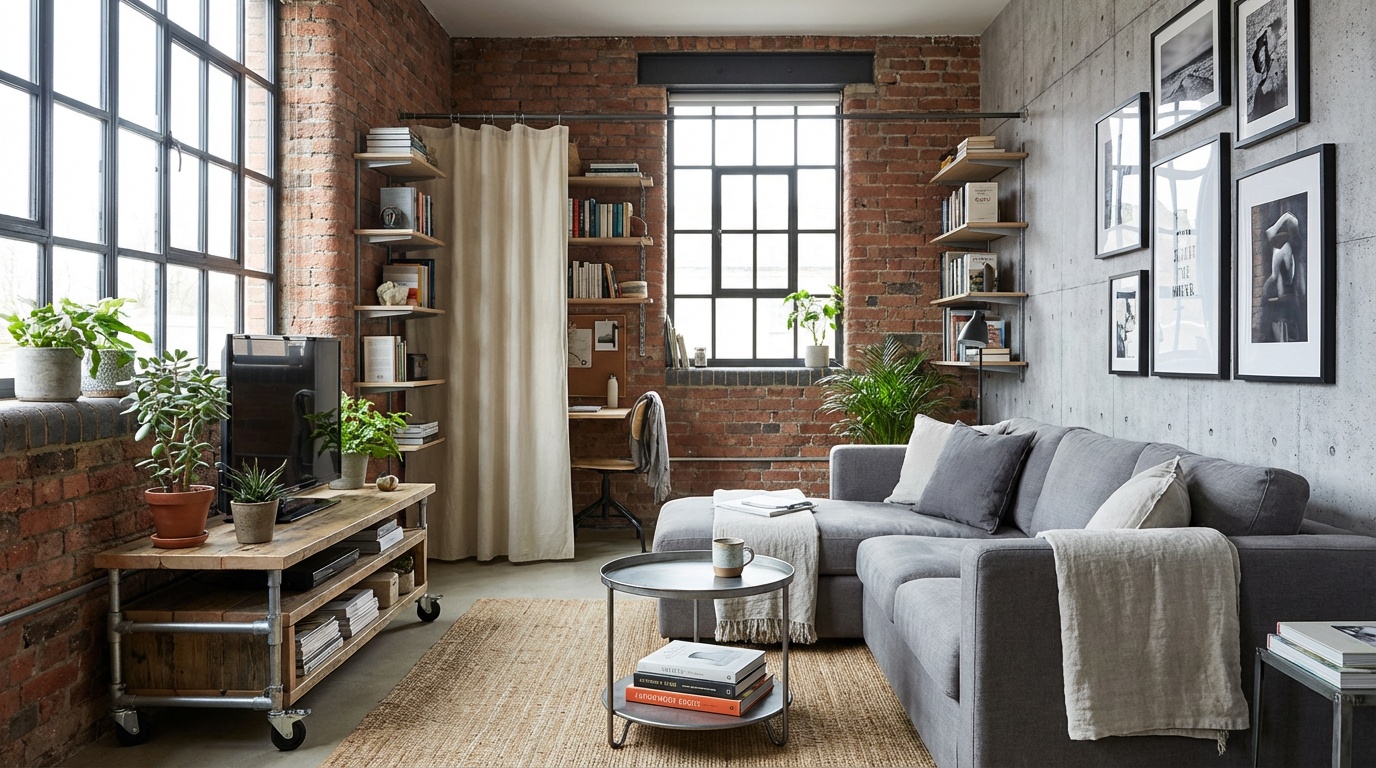
Small space adaptations require careful editing and multi-functional pieces. In compact living rooms, embrace industrial style's minimalist tendencies by keeping furniture streamlined and avoiding clutter. Choose a smaller-scale leather loveseat instead of a full sofa, opt for nesting coffee tables that provide flexibility, and use vertical space with tall, narrow industrial shelving. Wall-mounted pipe shelves save floor space while providing storage and display. Keep the color palette light—warm grays and whites with metal accents—to maximize the sense of space. One or two statement pieces (a dramatic pendant light, a stunning coffee table) create impact without overwhelming the room.
Mirrors with metal frames expand small spaces visually while reinforcing the industrial aesthetic. Furniture with exposed legs creates visual lightness compared to pieces that sit directly on the floor. In small living rooms, less is genuinely more—resist the urge to fill every corner.
Rental-friendly approaches allow you to embrace industrial style without permanent modifications. Focus on furniture and portable elements rather than architectural changes. Freestanding pipe shelving requires no wall mounting, portable track lighting plugs into existing outlets, and area rugs define the space without replacing flooring. Removable wallpaper in concrete or brick patterns creates industrial atmosphere without permanent commitment. Large-scale artwork and mirrors hung with damage-free hanging strips add personality. Invest in quality furniture you'll take with you rather than built-in modifications.
For budget tier transformations, consider these approaches:
Under $500: Focus on DIY projects and strategic thrift shopping. Create pipe shelving ($100-150 in materials), find a used leather sofa or armchair ($150-250 on Facebook Marketplace), add industrial-style lighting using hardware store materials ($50-75), incorporate vintage finds like metal stools or factory carts ($50-100), and add textiles and small decor ($50-100). This budget requires patience and hunting but can achieve authentic industrial style.
$500-$2,000: Mix budget-friendly new pieces with vintage finds. Purchase a quality leather sofa or sectional ($800-1,200), invest in a statement coffee table ($300-500), add industrial shelving and storage ($200-400), choose 2-3 quality light fixtures ($300-500), and complete the space with textiles, artwork, and accessories ($200-400). This mid-range budget allows for some investment pieces while still requiring strategic shopping.
$2,000+ transformation: Invest in quality pieces that will last decades. Purchase a premium leather sofa ($1,500-3,000), invest in a stunning reclaimed wood and metal coffee table ($600-1,200), add custom or vintage industrial shelving ($500-1,000), choose designer industrial lighting ($500-1,500), incorporate quality area rugs ($400-800), and complete with curated artwork, plants, and accessories ($500-1,000). This budget allows for investment in pieces that will appreciate and improve with age.
Phasing the transformation over time prevents budget strain while allowing you to live with pieces before adding more. Start with the foundation: quality seating and a coffee table. These anchor the room and provide immediate function. Phase two adds lighting and shelving, dramatically impacting the atmosphere. Phase three incorporates textiles, artwork, and accessories that personalize the space. This approach allows you to hunt for perfect vintage pieces rather than settling for immediate availability.
Begin with a neutral wall color (gray or greige) that works with industrial style—this costs minimal money but creates the right backdrop. Add elements gradually as you find them, ensuring each piece genuinely fits your vision. The beauty of industrial style is that it celebrates the collected-over-time aesthetic, so gradual accumulation actually enhances authenticity.
Styling for Different Budgets & Spaces
Bringing Your Vision to Life
Transforming your living room into an industrial haven requires careful planning and visualization before making expensive purchases. The most successful industrial spaces result from thoughtful design decisions rather than impulsive buying.
Before purchasing a single item, start with visualization. Take photos of your current living room from multiple angles, noting architectural features like windows, doors, and any existing elements worth keeping. Measure your space carefully, including ceiling height, wall lengths, and furniture clearances. Create a basic floor plan to understand traffic flow and furniture placement.
Gather inspiration from design magazines, Pinterest, and Instagram, but focus on spaces similar in size and architecture to yours. A 2,000-square-foot loft's industrial design won't translate directly to a 300-square-foot apartment living room. Look for adaptable ideas rather than exact replicas.
This is where RoomStudioAI becomes invaluable for your design journey. Rather than imagining how industrial elements might look in your specific space, you can see them instantly. Upload a photo of your current living room, and RoomStudioAI's advanced AI technology transforms it into various industrial design interpretations within seconds. This eliminates the guesswork and expensive mistakes that plague traditional design processes.
With RoomStudioAI, you can experiment risk-free with different industrial approaches. Try a darker, more dramatic industrial aesthetic with charcoal walls and heavy metals, then compare it to a lighter interpretation with warm grays and natural wood. See how exposed brick might look on your accent wall, or visualize different furniture arrangements before moving a single piece. This instant visualization helps you make confident decisions about paint colors, furniture styles, and overall direction.
The tool is particularly valuable for understanding how industrial elements work in your specific lighting conditions and architectural context. What looks perfect in a magazine might not suit your north-facing living room or low ceilings. RoomStudioAI shows you personalized results based on your actual space, preventing costly mistakes and buyer's remorse.
Beyond visualization, use RoomStudioAI to communicate your vision with family members, roommates, or partners. Rather than describing your ideas verbally and hoping everyone shares the same mental image, you can show them exactly what you're planning. This builds consensus and excitement around the transformation.
As you move from visualization to implementation, refer back to your AI-generated designs. They serve as a roadmap, helping you select paint colors, furniture pieces, and decor that align with your vision. When shopping, compare potential purchases against your visualization to ensure they fit the overall aesthetic.
Start your industrial living room transformation today by visiting RoomStudioAI and uploading a photo of your space. The free AI design tool provides instant inspiration and shows you exactly how industrial style can transform your specific living room. Experiment with different variations, save your favorites, and use them as shopping guides. Within minutes, you'll have a clear vision and actionable plan for creating the industrial living room you've been dreaming about.
Your perfect industrial living room is closer than you think. With the right knowledge, strategic shopping, and visualization tools like RoomStudioAI, you can transform your space into an authentic, comfortable, and stunning industrial haven that reflects your personal style. The raw beauty of exposed materials, the warmth of aged wood and leather, and the honest simplicity of utilitarian design await—start visualizing your transformation today.